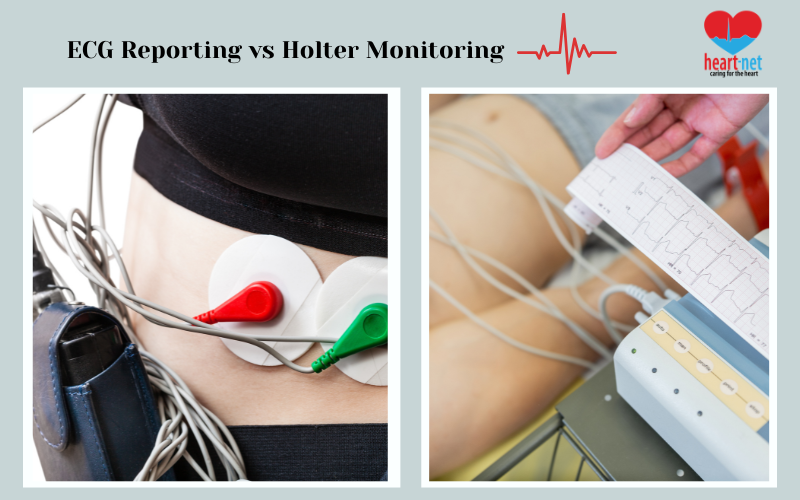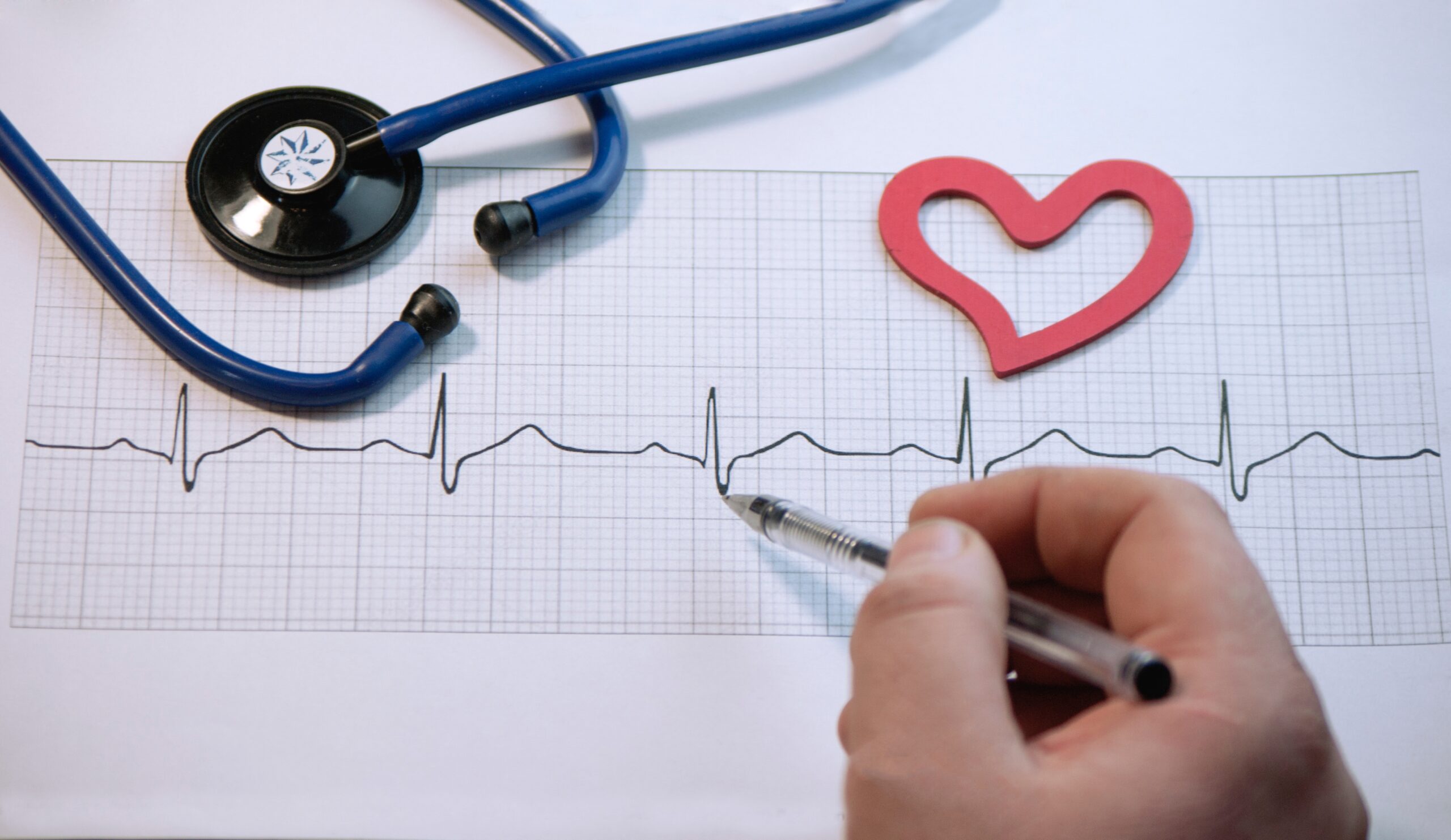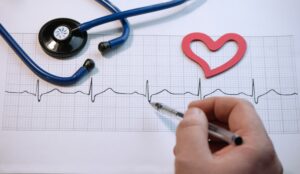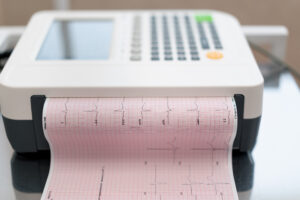

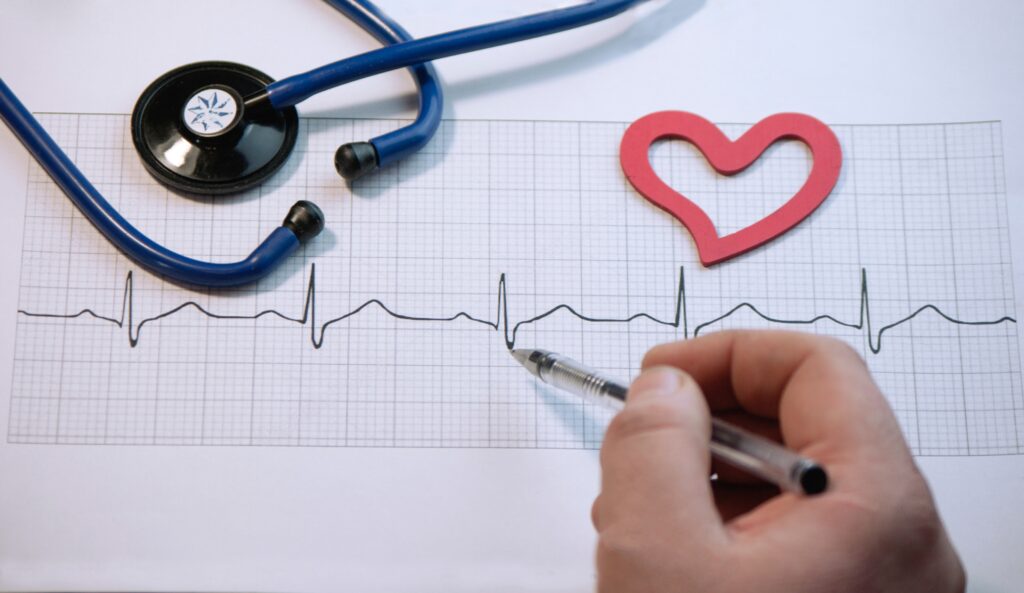
Heart emergency can happen at anytime. A person may feel chest pain at midnight as well. Someone may faint early in the morning, and in these critical moments. An ECG diagnosis becomes one of the first and most important tests. It shows how the heart is working, and doctors use it to check the heart rhythm and blood flow problems. Therefore, hospitals must provide ECG access 24 hours a day.
Today, heart disease is affecting people of all ages. Stress, unhealthy food, and lack of exercise increase the risk. As a result, emergency heart cases are rising. Because of this growing need, hospitals may stay prepared at every hour. Additionally, modern systems such as Telemedicine cardiac care in Bangalore also support faster heart treatment. However, without round-the-clock ECG access, emergency care remains incomplete.
Growing need for round-the-clock ECG
Heart problems do not follow any schedule as they can occur anytime. Moreover, many patients already live with diabetes or high blood pressure. These conditions increase the risk of sudden heart events. Because of a busy lifestyle, people often ignore early symptoms. Then the rush to the hospital when pain becomes more severe. At that moment, doctors need instant information. Similarly, ECG testing provides that information quickly. In addition, cities are expanding, and traffic delays can slow down hospital visits.
Therefore, the hospital must reduce internal delay. A 24/7 ECG system ensures immediate testing once the patient arrives. Healthcare systems are also changing. Similarly, many people now depend on telemedicine cardiac care in Bangalore for quick medical guidance. This model connects the patient and doctor faster. Still, an accurate diagnosis depends on fast ECG access. So, continuous availability becomes essential.
Know- How does telemedicine help the cardiac healthcare system?
Reducing emergency response time
During a heart attack, every minute matters. Doctors often speak about the golden hour. Early treatment protects the heart muscle, and late treatment increases the damage. Moreover, an ECG test usually takes only a few minutes. Yet provide a clear result. Also, it shows whether the patient has a heart attack or any abnormal rhythm. If staffs waits for morning hours, treatments will be delayed. However, when ECG machines stay ready at all times, doctors can act immediately. They can start medicines without delay and can prepare for emergency procedures quickly. Furthermore, fast ECG testing improves teamwork. Nurses, emergency doctors, and specialists coordinate better. Everyone works with clear information. As a result, response time decreases significantly.
Improving patient trust and retention
Heart emergencies create panic. Patients and families look for quick reassurance. When hospitals provide immediate ECG testing, people are still secure. Similarly, trust grows when services remain available day and night. Additionally, patients remember hospitals that act fast in difficult situations. Moreover, families share positive experiences with others. Consistent emergency support also improves long-term relationships. Patience returns for follow-up and routine check-up. They feel confident about the hospital’s readiness. In today’s healthcare system, patient experience matters greatly. Therefore, offer a 24/7 ECG access health bill, long-lasting trust without extra effort.
Supporting night and off our cases
Many hospitals operate with limited staff at night. However, hard conditions do not reduce after sunset. In fact, some studies show that early morning hours carry a high heart risk. Immediate ECG diagnosis during the night shift can help the staff make a decision fast. Also, doctors can confirm whether chest pain relates to the heart. They can also detect life-threatening rhythms quickly. Without ECG access, emergency teams may feel uncertain. So, they may need to wait for special items. This delay increases anxiety for both the staff and patient. On the other hand, constant ECG availability supports smooth night operation. Staff work with more confidence. Patience receives an equal cat regardless of time. Therefore, off-hour readiness strengthens overall emergency care.
Remote cardiologist access
Not every hospital has a cardiologist available 24 hours a day. Solar centres especially face this challenge. However hard emergencies required expert guidance. Now technology makes remote consultation possible. Reports can be shared instantly with a specialist, and the cardiologist can review the report and provide guidance within minutes. Similarly, this approach of telemedicine cardiac care in Bangalore is connecting the emergency room with expert opinion quickly. As a result, the patient received correct advice without waiting for a physical visit. Also, remote access supports the general physician. It reduces the pressure on local staff. Moreover, it improves accuracy in emergency treatment decisions.
Competitive advantage for hospitals
Healthcare competition is increasing. Patients compare hospitals before making choices. Emergency readiness may be the key deciding factor nowadays. So, hospitals that provide 24/7 ECG services have a strong commitment to patient safety. Also, they’re demonstrating the preparedness for critical cases. Furthermore, this improves the reputation naturally. A continuous ECG system also improves workflow. Staff handles emergencies smoothly. Reports are generated quickly, and decision-making becomes faster. Because of these benefits, hospitals gain a clear advantage. They attract more emergency cases. Also, they built credibility in the community. Modern health care requires speed and reliability. Therefore, round-the-clock ECG access becomes a valuable and transportable service for long-term growth.
Conclusion
Heart emergency demands immediate action. Delay can cost lives. Therefore, ECG access should become a standard service in every hospital. Around-the-clock testing produces response time and improved survival chances. Similarly, it supports and connects hospitals with remote cardiologists easily. Systems such as telemedicine cardiac care in Bangalore continue to improve emergency heart care. Ultimately, hospitals must treat continuous ECG access as a necessity. It protects patients and strengthens emergency care.
Get our direction: https://maps.app.goo.gl/ngHuHvPpKpmbh3rG6
Frequently asked questions
Why is ECG testing important in emergencies?
ECG testing quickly shows the heart rhythm and signs of a heart attack. It guides fast treatment decisions.
Can a small hospital offer 24/7 ECG access?
Yes, remote systems allow smaller hospitals to connect with specialists anytime.
How does 24/7 access improve patients’ safety?
It reduces delay in diagnosis and treatment, and faster care lowers complications and improves the survival rate.