
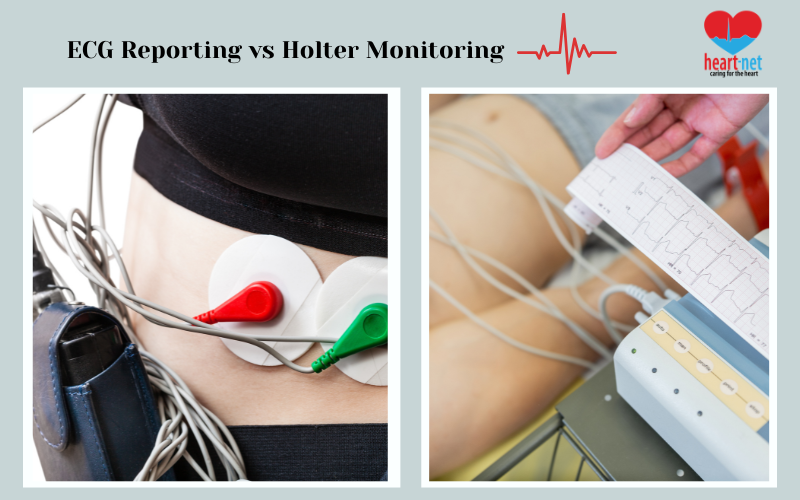
Heart health monitoring has evolved significantly with the advancement of digital healthcare technologies. Today, cardiologists rely on multiple diagnostic tools to detect heart rhythm abnormalities and assess cardiovascular health accurately. Among the most commonly used methods are ecg reporting and Holter monitoring.
While both techniques help evaluate the electrical activity of the heart, they serve different purposes and are used in different clinical situations. Healthcare providers and diagnostic centers, including organizations like Heartnet India, increasingly rely on remote diagnostics solutions to improve the speed and accuracy of cardiac assessments.
Understanding the difference between ecg reporting and Holter monitoring can help patients and healthcare professionals choose the right approach for effective heart monitoring.
What Is ECG Reporting and Why Is It Important?
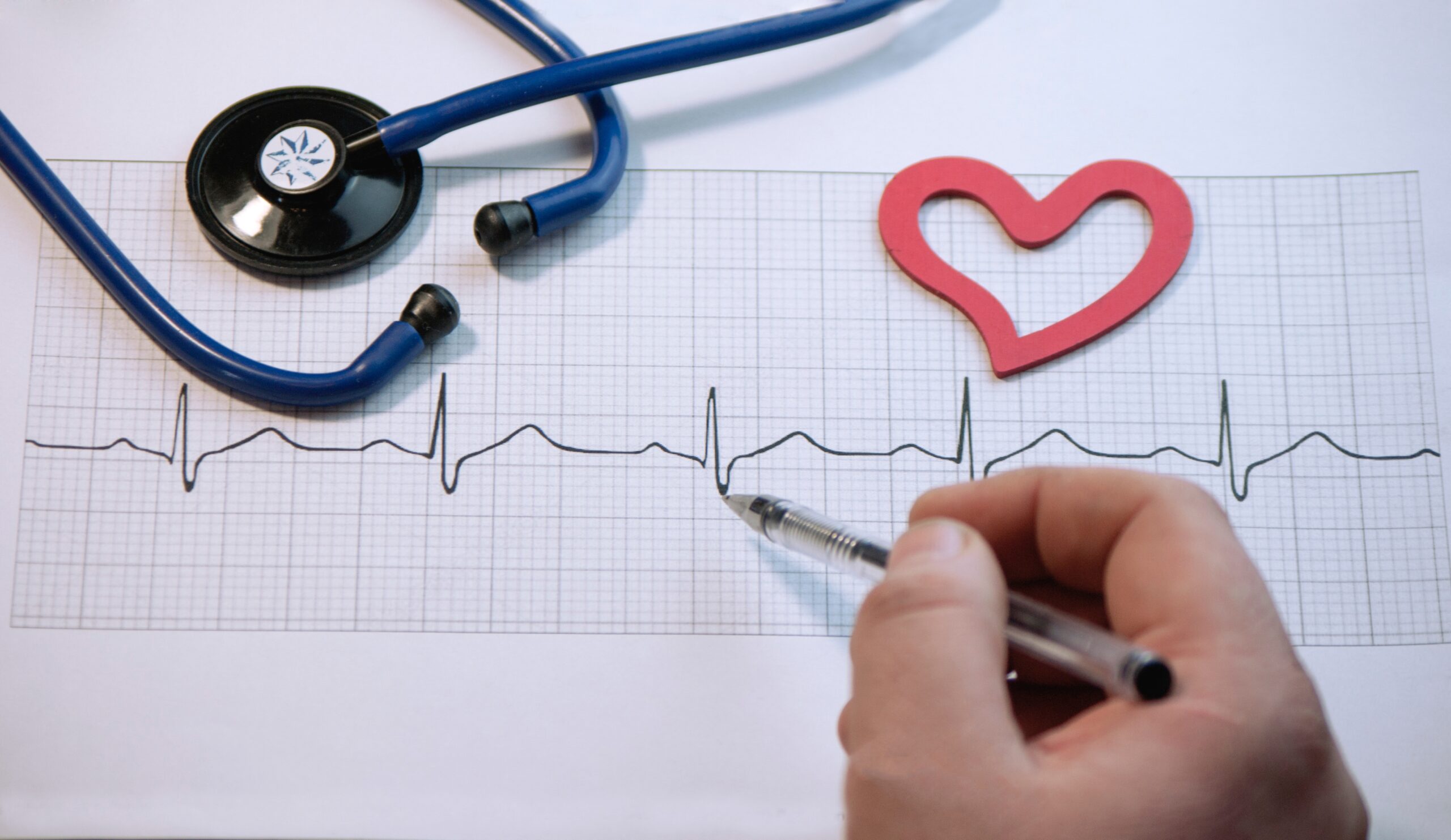
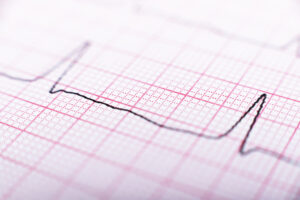
ECG reporting refers to the interpretation and analysis of an electrocardiogram (ECG), a diagnostic test that records the electrical signals of the heart. The test typically takes only a few minutes and is widely used to detect various cardiac conditions.
During an ECG test, electrodes are placed on the patient’s chest, arms, and legs. These sensors measure the electrical impulses that regulate the heartbeat.
Key Purposes of ECG Reporting
- Detecting irregular heart rhythms (arrhythmias)
- Identifying signs of heart attacks
- Monitoring heart conditions over time
- Evaluating chest pain or palpitations
With the integration of remote diagnostics solutions, ECG data can now be transmitted digitally to cardiologists for faster analysis. This improves turnaround time and helps healthcare providers deliver quicker medical decisions.
What Is Holter Monitoring?
Holter monitoring is a type of continuous heart monitoring that records the electrical activity of the heart over an extended period—usually 24 to 48 hours, and sometimes longer.
Unlike a standard ECG test that captures a short snapshot of heart activity, a Holter monitor continuously tracks the patient’s heart rhythm while they go about their daily routine.
How Holter Monitoring Works
A small portable device called a Holter monitor is connected to electrodes placed on the patient’s chest. The device records heart activity continuously and stores the data for later analysis by medical professionals.
Common Reasons for Holter Monitoring
- Investigating intermittent arrhythmias
- Evaluating unexplained dizziness or fainting
- Monitoring treatment effectiveness
- Detecting irregular heart rhythms not captured during a short ECG test
Holter monitoring provides a broader view of heart function compared to a single ECG reading.
ECG Reporting vs Holter Monitoring: Key Differences
Although both tests analyze the heart’s electrical signals, they differ in terms of duration, purpose, and diagnostic value.
ECG Reporting
- Test Duration: Usually completed within a few minutes.
- Monitoring Type: Provides a short snapshot of the heart’s electrical activity at a specific moment.
- Use Case: Commonly used for routine cardiac screening, chest pain evaluation, and detecting immediate heart abnormalities.
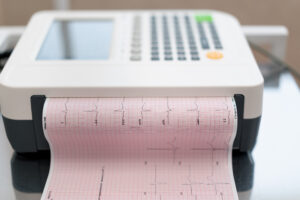
- Equipment: Performed using a standard ECG machine with electrodes attached to the chest, arms, and legs.
- Data Analysis: Results are interpreted through ecg reporting by cardiologists, often immediately after the test.
Holter Monitoring
- Test Duration: Records heart activity continuously for 24–48 hours or longer.
- Monitoring Type: Continuous monitoring of the heart while the patient carries out daily activities.
- Use Case: Helps detect intermittent heart rhythm abnormalities that may not appear during a short ECG test.
- Equipment: Uses a portable Holter monitor connected to electrodes worn on the chest.
- Data Analysis: The recorded data is reviewed and analyzed after the monitoring period to identify irregular patterns.
In many healthcare systems, remote diagnostics solutions enable both ECG and Holter data to be securely transmitted to cardiologists. This allows specialists to provide expert interpretations quickly, improving access to cardiac care—even in remote or underserved locations.
How Remote Diagnostics Are Improving Cardiac Monitoring
Modern healthcare systems are increasingly adopting digital tools that allow faster and more efficient cardiac assessments. Remote platforms enable medical centers to send ECG recordings to specialists who can generate detailed ecg reporting within a short time.
Organizations like Heartnet India support healthcare providers with remote cardiac interpretation services, helping hospitals and clinics manage large volumes of ECG data efficiently.
Some benefits of remote cardiac diagnostics include:
- Faster report turnaround time
- Access to experienced cardiologists
- Reduced workload for hospitals
- Improved patient care and diagnosis accuracy
These technologies are particularly valuable in regions where specialist cardiologists may not always be available on-site.
Read more: How ECG Monitoring is Transforming Cardiac Care
Conclusion
Both ecg reporting and Holter monitoring play important roles in diagnosing and managing heart conditions. While ECG tests provide a quick snapshot of heart activity, Holter monitoring offers continuous tracking over an extended period, making it useful for detecting intermittent issues.
With the growth of remote diagnostics solutions, healthcare providers can now analyze cardiac data more efficiently and deliver timely medical insights. Organizations such as Heartnet India contribute to this transformation by supporting digital cardiac diagnostics and helping healthcare professionals provide better patient care.
Understanding the differences between these two diagnostic methods ensures that the right tool is used for accurate and effective heart health monitoring.
Get our direction: https://maps.app.goo.gl/KjUtqUvzcWU6kQdRA